Bring Handmade Charm to Your Products with Shopia Designer Font
I remember the exact moment I opened a new candle label mockup in my design software. The wax was a warm vanilla and the jar was plain glass, but the text—the shop name and scent name—felt flat. I had been using a clean sans serif that was perfectly readable but completely lifeless. Then I swapped it for Shopia Designer. The label instantly looked like it belonged in a curated boutique. The quirky, natural handwritten strokes gave the jar a story. That’s the kind of transformation this font brings to any handmade product.
A Quirky Handwritten Font with Real Personality
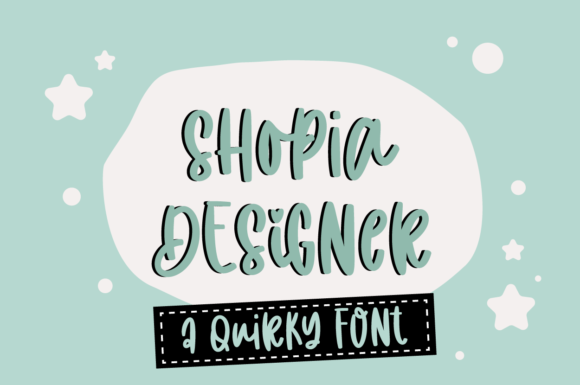
Shopia Designer is a script font that doesn’t try to be perfect. Its letterforms have a playful irregularity—some loops are loose, some ascenders tilt slightly, and the baseline dances just enough to feel human. This is not a polished, mechanical typeface. It’s the kind of handwriting you’d see on a love letter or a chalkboard sign in a cozy café. The font sits comfortably in the Script Amp category, which means it’s built for expressive, decorative use. It thrives when you need a touch of whimsy, warmth, or romance.
What makes it stand out is its natural feel. Many handwritten fonts look like they were traced by a robot. Shopia Designer looks like it was written by a person holding a fine-tip pen, letting the ink flow with slight pressure changes. That organic quality is gold for makers who want their products to feel personal, not mass-produced.
Real Maker Moments: From Digital Mockup to Finished Product
Let’s walk through a few realistic projects where this font shines. I started with candle labels, as I mentioned. The font worked perfectly for scent names like “Cedar & Sage” or “Wildflower Honey.” Because it’s a display font, I kept the text brief—a product name or a short tagline. For the label’s secondary text (ingredients or warnings), I paired it with a clean sans serif. That contrast let the handwritten part take center stage.
Next, I designed a set of birthday invitations for a friend’s small party. The phrase “You’re Invited” in Shopia Designer immediately felt celebratory and informal. I added a subtle swoosh from the font’s alternate characters at the end of the word, and it looked like a flourish from an actual pen. The recipients commented that the invitation felt handwritten, even though it was printed. That emotional connection matters when you’re selling printables or custom stationery.
For farmhouse-style signs—the kind you see on rustic wooden boards or vinyl decals—Shopia Designer brings a charming, lived-in look. I used it for a sign that read “Gather” with a slight unevenness in the letter spacing. On a physical piece of wood, the font’s irregularities looked like intentional brush strokes. It would also work beautifully on wedding welcome boards or directional signs for an outdoor ceremony.
Printable Wall Art and Digital Downloads
One of my best-selling digital products is a set of printable wall art quotes. I started using Shopia Designer for short, uplifting phrases like “Stay Wild” or “Be Brave.” The font’s natural flow makes each print feel like an original piece of calligraphy. Because the file is a digital download, customers can print it at home or at a print shop. I always include a note in the listing that the font works best for short text (3–6 words) to keep the readability high. For longer quotes, I use a clean serif for the body and reserve Shopia Designer for the heading.
Another hit was a set of planner sticker sheets with days of the week and motivational labels. The font’s quirky letters added personality to the stickers without overwhelming the small spaces. I tested it at 0.5 inches tall, and the strokes were still legible—though I recommend testing your own cutting machine settings because the thin parts of the letters can be tricky for intricate cuts.
How Shopia Designer Affects Product Presentation and Brand Identity
When you use a handwritten font like Shopia Designer, you’re telling customers that your brand cares about detail and warmth. A script font can make product packaging feel premium. I used it on boutique tags for handmade soap—each tag had the soap name in the font and a small logo underneath. The tags looked like they were stamped by hand, which justified a higher perceived value.
For brand consistency, I recommend using Shopia Designer as your primary display font for your shop name or product names across labels, social media graphics, and listing images. When customers see that same quirky handwriting on your Instagram post and then on your packaging, they recognize you instantly. That’s brand identity built through typography.
The font also sparks emotional appeal. A wedding invitation set using Shopia Designer feels intimate, like the couple wrote it themselves. A holiday gift tag with the font makes the gift feel personal, even if you bought the tag from a shop. That’s the power of a well-chosen handwritten typeface.
Pairing Shopia Designer for a Cohesive Look
Shopia Designer works best as a display font, so you’ll want a companion for body text or secondary information. My go-to pairing is a clean sans serif like Open Sans or Montserrat. The contrast between the playful script and the neutral sans creates balance. For a more rustic look, pair it with a simple serif such as Playfair Display. The serif’s elegance complements the font’s informality.
If you want to layer scripts, be careful. Pairing Shopia Designer with another highly decorative script can create visual clutter. Instead, use a simple handwritten font that is more subtle for secondary lines. Or try a bold display font for emphasis on numbers or short words. I once used a bold sans for the word “&” between two names, and it created a nice visual pause.
For social media graphics, the font can be layered over photos with a dark overlay. I’ve used it for quote posts and product announcements. The key is to keep the text short so the font’s personality isn’t lost.
Practical Tips for Cutting Machines and Small Prints
If you’re using Shopia Designer with a Cricut or Silhouette for vinyl decals or stickers, there are a few things to keep in mind. The font has thin strokes in some letters—especially at the crossbars of “t” and the loop of “e.” For small designs (under 1 inch), the thin parts may not cut cleanly. I recommend scaling up the text to at least 1.5 inches for vinyl. For sticker sheets with small labels, use a thicker cut setting or consider using an outline version if available.
For printed cards and mockup previews, the font renders beautifully at 12pt and above. Use it at larger sizes (24pt or more) for titles to maintain readability. For listing images on Etsy or your website, the font’s distinctive look grabs attention even at thumbnail size—test it on a small screen to make sure the details are visible.
Commercial Use and File Features to Know Before Selling
Before you start selling products featuring Shopia Designer, check the font’s commercial license. Most premium fonts from marketplaces like Creative Market or Font Bundles include a standard commercial license, but the terms vary. Some licenses allow you to use the font on physical products (like mugs, shirts, tote bags, signs) without an additional fee. Others require an extended license for digital templates or printables that you sell directly. Always read the fine print.
The font comes in typical file formats: OTF, TTF, and WOFF. I prefer OTF for design software because it supports more typographic features. Shopia Designer may include alternates, ligatures, and swashes. These are characters that add variation—like a different letter shape or a decorative tail. In design apps like Adobe Illustrator or Canva, you can access them through the Glyphs panel or OpenType features. They make your text look even more handmade by avoiding repeated identical letters.
If you’re planning to sell digital products such as printable wall art or templates, check if the license allows embedding the font in PDFs or editable files. Some licenses restrict that. You may need to convert the text to outlines or purchase a separate license for digital goods.
Also verify multilingual support. Shopia Designer likely covers basic Latin characters, but if you need accented letters for product names in other languages, check the character set before buying.
Finally, the font belongs to the Fonts category under Script Amp, which means it’s designed for decorative, expressive use. It is not ideal for long body text—stick to phrases, titles, names, and short quotes. Used correctly, it will elevate your handmade products from ordinary to memorable.
Whether you’re labeling candles, designing invitations, or creating seasonal gift tags, Shopia Designer adds a layer of authenticity that customers can feel. It’s the font equivalent of a handwritten note tucked inside a package—a small touch that makes all the difference.